







Search Results for: bitterness balance

Balanced Hand-Drip Coffee Bean Recommendations: Medium-Roast Single-Origin and Blends That Are Neither Sour Nor Bitter
For many coffee lovers, an ideal pour-over coffee should possess a harmonious balance of acidity, sweetness, and bitterness, rather than any single flavor being too dominant. So how do you select a truly balanced option—neither too acidic nor too bitter—from a dazzling array of coffee beans? This article will start with the concept of "balance" in cupping, analyze the relationship between roast level and flavor expression, and focus on recommending several medium-roast beans from Front Street Coffee, including Brazil Queen's Estate Yellow Bourbon, Costa Rica Tarrazu, Papua New Guinea Bird of Paradise, and Strawberry Candy Blend. Whether you are a beginner just starting out or a user looking for cost-effective everyday beans, these coffees can deliver a smooth, balanced brewing experience. [more…]

Choosing hand-brewed beans based on roast level: balanced coffee recommendations that are neither sour nor bitter, with harmonious acidity and sweetness
In the scoring system of coffee cupping, "balance" is not merely the equal presence of acidity, sweetness, and bitterness, but rather a comprehensive expression in which acidity, sweetness, body, and aftertaste harmonize with one another without any single element stealing the show. To achieve this kind of taste, the roast level is key: light roasts tend toward acidity with weak body, dark roasts have heavy caramelization with pronounced bitterness, and only medium roasting makes it easiest to balance both ends. This article starts from the definition of balance and sorts through four medium-roast single-origin pour-over beans that are neither sour nor bitter, including Front Street Coffee's Queen's Estate Yellow Bourbon from Brazil, Costa Rica Tarrazú, Papua New Guinea Bird of Paradise, and the recently popular Front Street Coffee Strawberry Candy Blend, as a reference for pour-over enthusiasts at different stages. [more…]

What exactly is coffee balance? From cupping standards to brewing water temperature, even beginners can understand a balanced taste that is neither sour nor bitter
Many people's first reaction when drinking a medium-roast coffee is "this cup is very balanced." But a coffee's sense of balance is far more than simply not standing out in acidity, sweetness, or bitterness. In professional cupping, Balance is a comprehensive indicator measuring the harmony among acidity, sweetness, body, and aftertaste, while also examining the coffee's stable performance from hot to cool. Beans with poor balance may excel in one aspect but have obvious weaknesses; beans with good balance are simply pleasant across the board. Through cupping examples of multiple beans, Front Street breaks down the evaluation logic of balance and recommends several coffees with excellent balance, including Front Street's Bird of Paradise, known as the "Little Blue Mountain." [more…]

Coffee Flavor Experiment: Can a Pinch of Salt Neutralize Bitterness and Improve Flavor Balance?
What should you do if your coffee is too bitter? Some people suggest that adding salt can improve the taste. In this article, through a controlled experiment with Mandheling coffee, we tested the effects of three different amounts of salt—0.01g, 0.02g, and 0.03g—on the coffee's flavor. The results showed that 0.02g of salt balanced the bitterness and saltiness, enhanced the body, and made it easy to drink; while 0.01g still had a pungent taste, and 0.03g was too salty. The experiment showed that adding salt can indeed mask bitterness to a certain extent, but similar to the bypass method, it is mainly suitable for rescuing extraction mistakes or coffee that is about to go wrong. If the coffee itself is perfectly extracted with balanced acidity and sweetness, adding extra salt will instead disrupt the flavor balance and artificially create negative tastes. [more…]

Balanced Coffee Beans | Which Single-Origin Beans Make Pour-Over Black Coffee Without Bitterness or Astringency? Recommended Easy-Drinking, Low-Acidity Medium-Roast Pour-Over Coffee Beans Every Beginner Must Buy
In coffee cupping, there is a scoring category called "Balance," but what it evaluates is not merely the harmony of acidity, sweetness, and bitterness! Rather, it scores the coordination among the coffee's acidity, sweetness, body, and aftertaste. Balance can be said to play the role of coordinator. [more…]

Don't like acidity or bitterness? These four Front Street Coffee pour-over beans are balanced, mellow, and easy to brew
In today's world of increasingly diverse coffee flavors, some people are obsessed with light-roasted beans with bright fruity acidity, while others prefer dark-roasted beans with a rich, sweet aftertaste. But there are still plenty of enthusiasts who just want a cup of coffee that is neither sour nor bitter—balanced and easy to drink. Front Street Coffee has selected four pour-over coffee beans from its extensive bean lineup that suit this kind of preference, covering origins such as Brazil, Costa Rica, and Papua New Guinea. All are medium roasts, brewing-friendly, with flavors dominated by nuts, chocolate, caramel, and cream, balancing sweetness and a sweet aftertaste. Whether you are a beginner just getting into pour-over or a seasoned connoisseur looking for an everyday staple, you can find that cup that is neither sour nor bitter, rich and easy to drink. [more…]

A Complete Analysis of Medium Roast Coffee Bean Flavor and Mouthfeel: How Roast Level Affects the Acid-Bitterness Balance and Brewing Choices
The roast level of coffee beans not only shapes the overall taste but also directly determines the direction of the flavor. If a cup of coffee has a prominent bitterness, it often means a darker roast; if the acidity is sharp, it is most likely a lighter roast. For those who prefer a balanced taste, medium-roasted beans are usually the safest choice. During roasting, the three taste elements of acidity, sweetness, and bitterness rise and fall in inverse proportion to one another: the longer the roasting time, the weaker the acidity and the stronger the bitterness. The temperature for a medium roast is roughly between 200 and 215°C; the beans are brown with a slightly oily surface, combining a modest amount of acidity with a mellow mouthfeel, while caramelization brings sweetness, resulting in a well-balanced overall performance that suits a variety of brewing methods such as espresso machines, moka pots, pour-over, French press, and cold brew. This article will also draw on a range of single-origin beans from the Front Street brand to offer purchasing recommendations tailored to different devices and flavor preferences. [more…]
Recommendations for Single-Origin Pour-Over Coffee Beans with Mild Acidity and Bitterness: Balancing Budget and Drinking Frequency
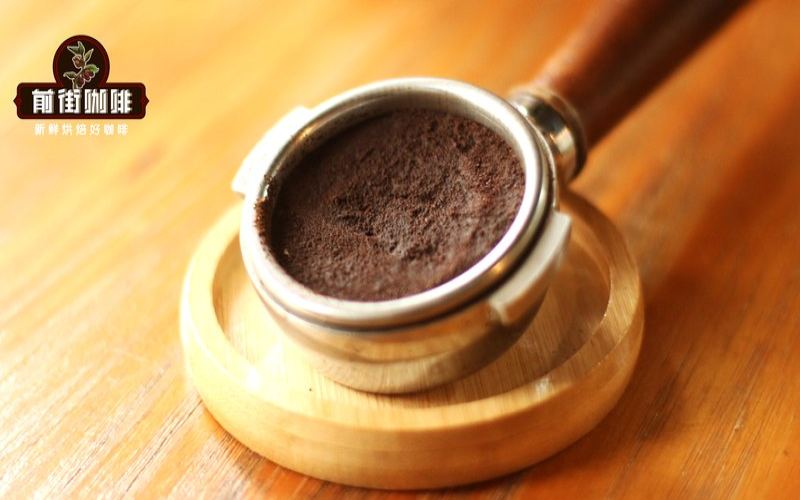
To talk about single-origin pour-over coffee beans with a mild balance of acidity and bitterness, we have to start with the actual taste in the cup. When buying beans for everyday use, you need to consider how quickly you'll drink them, how much to buy at a time, and whether your home mainly makes black coffee or milk coffee. The roast level of the beans determines the basic flavor, the origin and processing method bring differences in aroma, and the equipment you use will change the strength—so when choosing beans, [more…]
How to Understand Coffee Balance? Analyzing the Criteria for Flavor Harmony and Mouthfeel Evenness
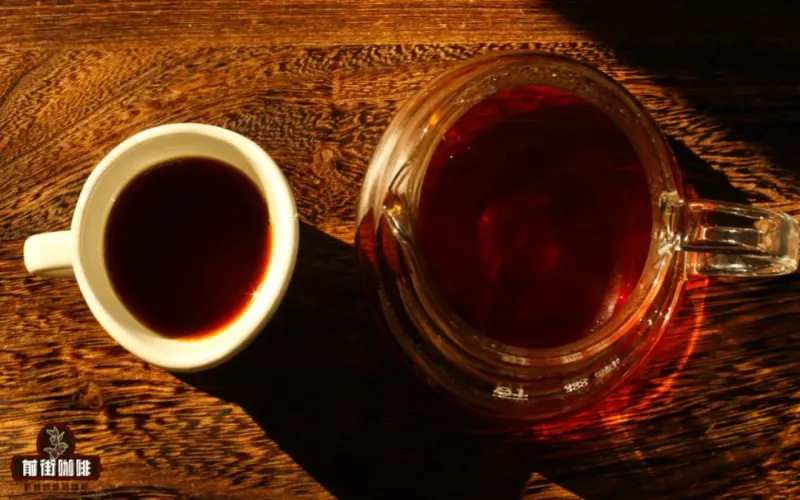
When tasting coffee, flavor and mouthfeel are usually the first focal points, but there is another relatively abstract yet crucial dimension—balance. It does not mean blandness or absolute equivalence, but rather an overall state of harmony in which the acidity, sweetness, bitterness, and other elements in the coffee coordinate with one another, with none being overly prominent or too weak. Balance involves not only taste, but also mouthfeel, finish, and performance at different temperatures. This article will start with the definition of balance and the criteria for judging it, and recommend several Front Street Coffee beans with excellent balance, helping readers gain a comprehensive understanding of this concept. [more…]
Flavor Analysis of Medium and Medium-Dark Roasted Coffee Beans: How to Choose Beans with Balanced Bitterness and Acidity, Mild and Mellow
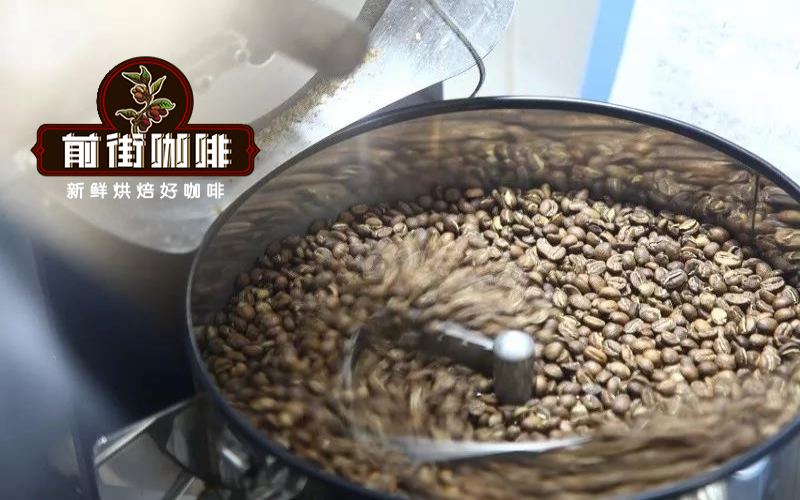
The roast level of coffee beans directly determines the flavor profile in the cup. The medium and medium-dark roast ranges often deliver less bitterness and acidity with a mild, balanced body, making them the everyday choice for many coffee lovers. This article systematically breaks down the flavor characteristics and suitable applications of medium roast, medium-dark roast (City roast), medium roast, and dark roast, and recommends a range of representative beans from Front Street Coffee for each roast level, including Colombia Huila, Brazil Cerrado, and Golden Mandheling, to help you pinpoint the cup that suits you in pour-over, siphon, or blended recipes. [more…]
How Does Roast Level Shape Coffee Flavor? Starting with the Sweet, Sour, and Bitter Balance of Mandheling and Blue Mountain
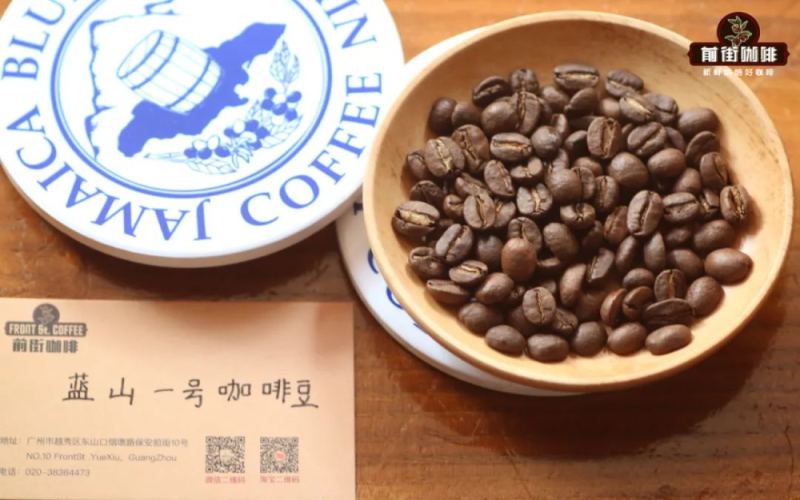
What exactly determines whether coffee is sour or bitter? Many people think that Ethiopian beans tend to be sour and Mandheling tends to be bitter because of their origin, but the real dominant factor is actually the roast level. This article starts with the development phase after first crack and explains how the length of the development phase affects the caramelization reaction, thereby determining whether the coffee's flavor leans sour or bitter. At the same time, using Kenya, Blue Mountain, and Mandheling as examples, it explains that dark roasting is not a cover-up for poor quality—sweetness within bitterness and a rich, balanced cup are what these classic beans insist on. Front Street Coffee also shares related insights in the article. [more…]

Flavor-Balanced Specialty Coffee Beans That Are Neither Sour Nor Bitter: A Full Guide to Origins, Processing Methods, and Brewing Approaches
Coffee flavors vary enormously. Some people prefer bright fruity acidity, while others favor a rich, mellow bitterness. But many enthusiasts are constantly searching for a coffee that is round and balanced, neither sour nor bitter. This article starts from Front Street Coffee's product line and introduces five selected coffee beans with distinct styles, covering different origins such as Papua New Guinea, Brazil, Panama, and Yunnan, involving various processing methods such as washed, natural, and raisin honey, as well as different roasting curves such as medium and medium-light. Whether you are a coffee beginner just starting out or a seasoned player pursuing a specific flavor, you can find the bean that suits your taste, while also learning about each coffee's varietal origin, flavor characteristics, and suitable brewing equipment. [more…]
The Richness of Dark Roast Coffee: Balancing Oils, Caramel, and Mouthfeel
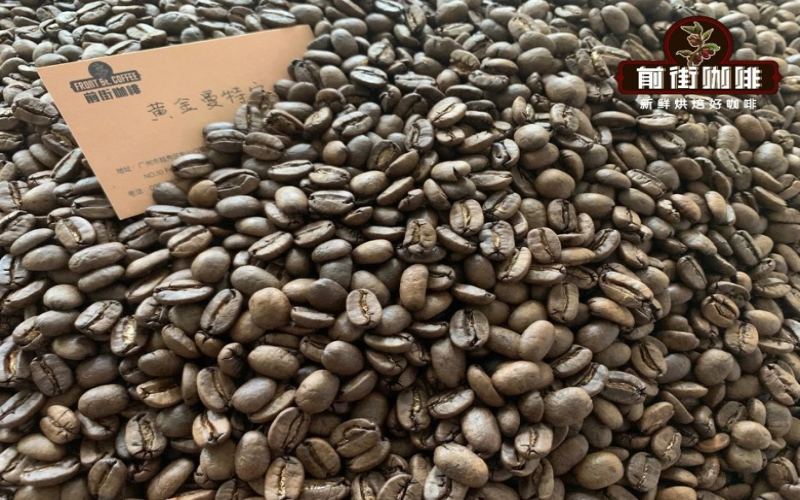
The charm of dark roast coffee lies in its steady, full-bodied richness. Many people use "heavy" and "smooth" to describe it—this mouthfeel is not a one-dimensional bitterness, but a balance woven from caramel sweetness, bitterness, and an oily richness. Once you understand where the richness of dark roast beans comes from, drinking it becomes even more enjoyable. The foundation of richness [more…]
Recommendations for specialty coffee beans that are neither sour, bitter, nor astringent: flavor balance, taste, and price analysis of five varieties
Coffee flavors are endlessly varied. Some people prefer bright fruity acidity, while others love mellow bitterness. But there is also a group of enthusiasts who seek a subtle balance among acidity, bitterness, and astringency—smooth on the palate, with a long, sweet finish and no sharp stimulation. This article selects five specialty coffee beans with a mild, sweet taste, covering different origins such as Papua New Guinea, Brazil, Panama, and Yunnan, and introduces each one in turn from variety, processing method, roast level, to brewing method. Whether you are used to pour-over, espresso machine, or cold brew, you can find the one that suits you. Each bean is accompanied by Front Street Coffee's price and flavor description, making it easy to choose according to your needs. [more…]
Not Bitter, Not Astringent, Not Sour: A Guide to Five Well-Balanced Specialty Pour-Over Coffee Beans by Category
The flavors of coffee are endlessly varied. Some people prefer bright acidity, while others are fond of deep, profound bitterness. But many enthusiasts lean toward a cup that is mellow in mouthfeel, neither sour nor astringent, with a lasting sweet aftertaste. To meet this demand, Front Street Coffee has selected five coffee beans with distinct styles, covering producing regions such as Papua New Guinea, Brazil, Panama, and Yunnan. From the balanced mellowness of Bird of Paradise, to the caramel sweetness of Queen's Manor, to the floral and fruity sweetness of Strawberry Candy, the interwoven sweetness and acidity of Butterfly, and the slightly acidic yet non-astringent character of Yunnan Typica, each one has been carefully roasted and processed, suitable for pour-over and other extraction methods. There is always one to match your taste preferences. [more…]

How Beginners Can Brew a Good Cup of Coffee with the Perfect Strength and Balanced Acidity, Sweetness, and Bitterness: A Full Guide to Grind, Dose, and Water Temperature Adjustment
To brew a cup of coffee at home that is both balanced and moderate in strength, relying on a single fixed set of parameters is far from enough. Starting with coffee bean selection, this article breaks down how to flexibly adjust the extraction plan for coffee beans in different states around three core variables: grind size, dose, and water temperature. It also specifically shares correction ideas for when strength and taste balance deviate, helping beginners gradually build a logical brewing correction framework. Whether you are just getting into pour-over or already have some experience, you can find practical directions for adjustment here. [more…]

How to Adjust Imbalanced Acidity and Bitterness in Pour-Over Coffee? Find the Cause in Grind, Extraction, and Roast Level
A good cup of black coffee should have a balanced ratio of acidity, sweetness, and bitterness—if any one of these is too prominent, it will break the balance. In cupping, we emphasize harmony of flavors, but in everyday brewing, slight missteps with variables such as grind size, coffee-to-water ratio, and water temperature can make the coffee taste sharply sour or burnt-bitter. In this article, Front Street Coffee will focus on the common causes of acid-bitterness imbalance in pour-over coffee, with emphasis on the relationship between grind size and extraction time, while also explaining how roast level affects the perception of bitterness, and offering simple, practical adjustment directions to help coffee lovers quickly identify the problem and brew a smoother cup. [more…]
Jamaica Blue Mountain No. 1 Coffee Bean Brand Recommendations: Is Hand-Brewed Specialty Blue Mountain Bitter? Flavor and Brewing Analysis
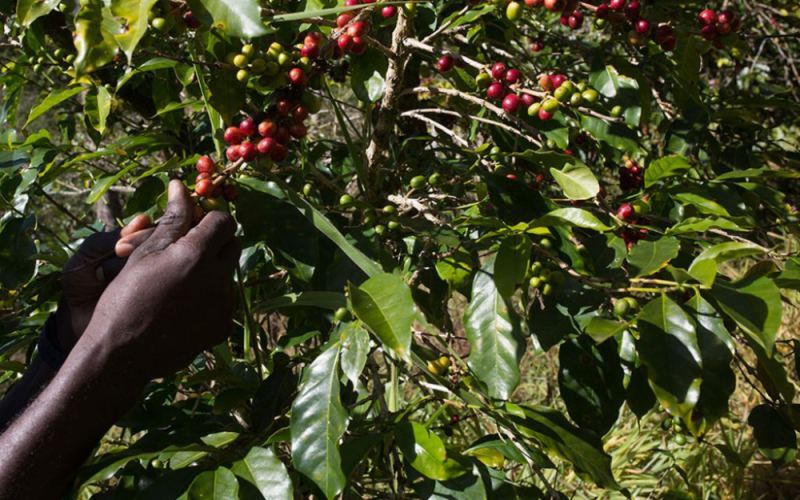
Jamaican Blue Mountain coffee originates from the Blue Mountains on a Caribbean island, where volcanic soil and a year-round climate of mist and rain create its world-renowned balanced flavor. Coffee labeled "Blue Mountain flavor" or "Blue Mountain blend" on the market is not authentic Blue Mountain coffee; only four administrative districts are truly certified by the Jamaica Coffee Board, and Clifton Mount Estate is one of these ancient production sites that remains in operation today, as well as the only Blue Mountain estate with Rainforest Alliance certification. The Blue Mountain No. 1 coffee beans currently sold by Front Street Coffee come from Clifton Estate. This article will analyze the bitterness profile of Blue Mountain No. 1 and the source of its sweet-sour-bitterness balance, from production region certification and estate background to roasting and extraction approaches and specific pour-over parameters, and provide the complete brewing method and flavor description used at Front Street's shop, helping coffee enthusiasts gain a more comprehensive understanding of this classic coffee. [more…]
What Are Espresso Blend Coffee Beans? Understanding Blending Purposes, Classic Recipe Ratios, and Brand Recommendations in One Article
Blended coffee beans are the cornerstone of the espresso system. This article systematically reviews the definition and essence of coffee blends, analyzes the three major purposes of blending—stable flavor, balanced taste, and cost control—and provides three groups of beginner blending ratios: sour-leaning, conventional, and bitter-leaning, as well as six classic recipes: balanced, bitter, sour, aromatic, American, and heavy-bodied. It also summarizes the four blending principles: first set the base flavor, match complementary characteristics, control the number of bean varieties, and adjust ratios flexibly. At the end, it specially recommends the freshly roasted espresso blend beans from Front Street Coffee in Guangzhou, with a cost of less than 1.5 yuan per cup, offering outstanding value for money and worthy of reference for coffee enthusiasts and people opening shops. [more…]

Coffee flavors go beyond bitterness: Five specialty coffee beans with balanced acidity and sweetness and a bright, layered profile
Many people habitually equate coffee with bitterness, thinking that black coffee is undrinkable unless milk and sugar are added. However, coffee's flavor spectrum is far richer than imagined—a cup of exceptional black coffee can deliver a delightful experience where bright fruity acidity intertwines with rounded sweetness. This article selects five coffee beans with particularly outstanding sweet-and-sour balance, covering different origins and varieties such as Sidra, Strawberry Candy blend, Yunnan Typica, Butterfly Geisha blend, and Bird of Paradise. Each one has its own distinct flavor profile, ranging from floral and fruity notes to nutty and caramel tones. Whether you are a beginner just getting into specialty coffee or a seasoned connoisseur looking for a daily staple, you are sure to find a favorite among them. [more…]